
20 Fine Hair Hairstyles and Haircut Ideas
By Zohana • October 2, 2026 • 14 min read
format_list_bulletedTable of Contents
Quick Navigation- 1. Soft Layered Bob
- 2. Voluminous Curtain Bangs
- 3. Textured Pixie Cut
- 4. Blunt Shoulder-Length Cut
- 5. Wispy Face-Framing Layers
- 6. Sleek Long Bob
- 7. Side-Swept Bob
- 8. Feathered Medium Hair
- 9. Soft Wavy Lob
- 10. Chin-Length Blunt Cut
- 11. Layered Collarbone Cut
- 12. Voluminous Curly Bob
- 13. Textured Shoulder Cut
- 14. Blunt Cut With Waves
- 15. Layered Shaggy Bob
- 16. Voluminous Side Part
- 17. Tousled Short Layers
- 18. Low Volume Ponytail
- 19. Chin-Length Layered Bob
- 20. Soft Face-Framing Bob
- CONCLUSION
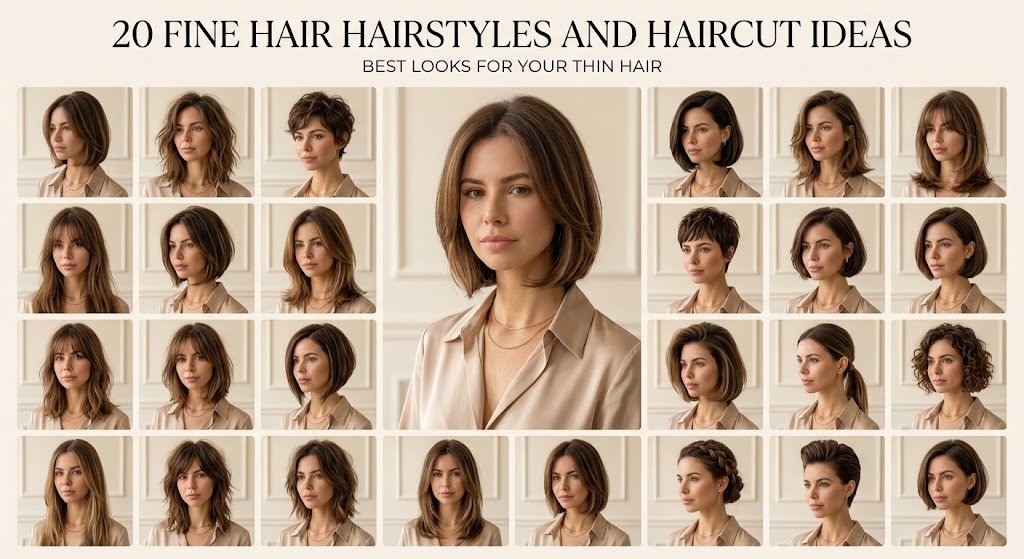
Fine hair can look flat, limp, or thinner than you’d like, but the right cut and styling technique can change the whole look. Fine Hair Hairstyles can add the appearance of volume, movement, and fuller-looking ends without complicated routines.
This guide brings together 20 haircut and styling ideas designed specifically for fine strands. From blunt bobs and collarbone cuts to soft waves, layered styles, and polished ponytails, you’ll find options for different lengths, textures, and everyday routines. I’ve noticed that small changes, such as adjusting the part or keeping a stronger perimeter, can make fine hair look noticeably more substantial. As you explore these ideas, focus on the ones that fit your natural texture, styling time, and personal style.
1. Soft Layered Bob
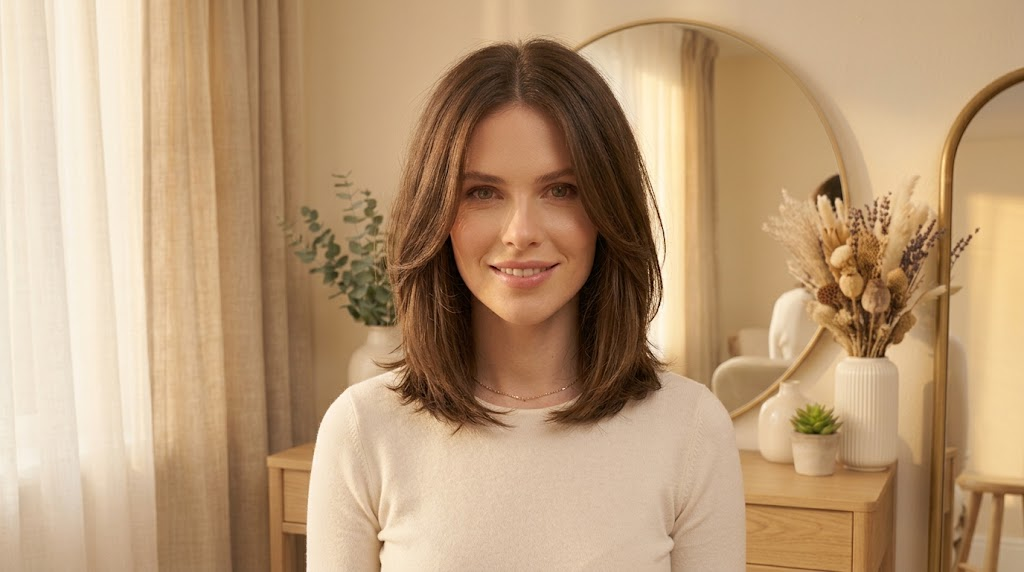
A soft layered bob brings life to fine hair without removing too much of its natural fullness. The gentle layers create movement around the face, while the shorter length helps the hair appear thicker and more lifted. It’s one of the most versatile Fine Hair Hairstyles for women who love a polished yet relaxed look.
Ask your stylist for subtle layers that start around the cheekbones or jawline, with slightly textured ends. A lightweight volumizing mousse and a round brush can add lift at the roots. Keep the layers soft rather than heavily chopped to maintain the appearance of density and enjoy a fuller-looking finish.
2. Voluminous Curtain Bangs
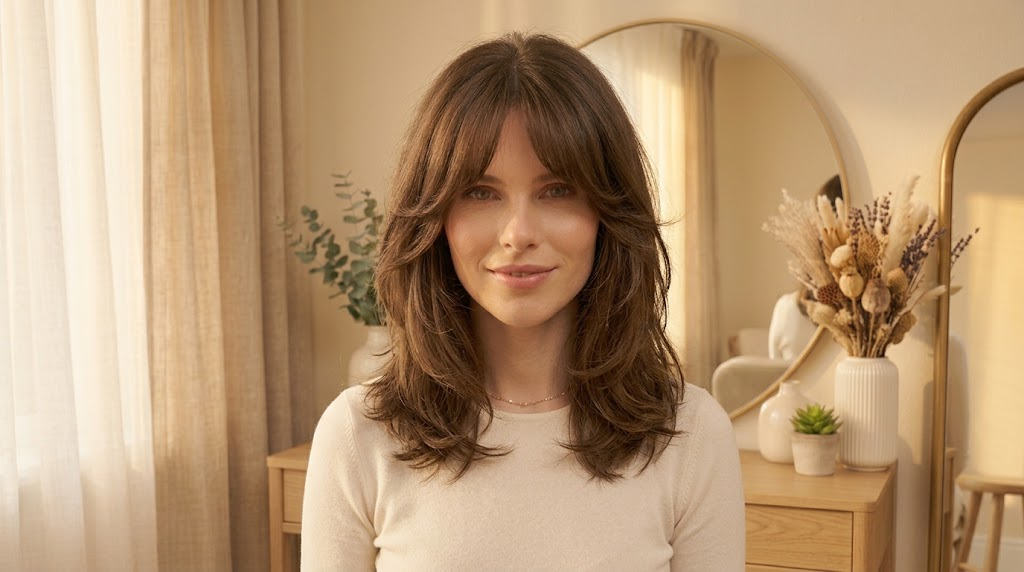
- Face-framing shape: Curtain bangs open around the forehead and sweep toward the cheekbones, creating a soft, flattering frame.
- Root volume: Blow-dry the bangs with a small round brush, lifting them upward before directing each side away from the face.
- Lightweight styling: Apply a small amount of volumizing mousse to damp roots to create body without weighing down fine strands.
- Easy maintenance: Trim the front pieces every six to eight weeks to keep their shape and prevent them from covering the eyes.
- Versatile finish: Wear them with straight, softly curled, or naturally wavy hair for different everyday looks.
Curtain bangs are especially appealing for women who want a noticeable hairstyle update without sacrificing their length. I’ve noticed that directing the bangs away from the face while blow-drying helps create a naturally lifted appearance. Pair them with subtle layers for extra movement, and use a lightweight dry shampoo to refresh the roots between washes.
3. Textured Pixie Cut

Quick Tip:
Ask your stylist to keep soft, choppy layers through the crown while leaving enough length on top to create height. A lightweight texturizing cream or styling paste can define individual strands without making fine hair look greasy. Avoid heavy waxes that flatten the roots.
A textured pixie cut can make fine hair appear fuller by concentrating volume around the crown and creating separation between individual strands. The shorter length also reduces the weight that can pull hair flat. Work a pea-sized amount of styling product through dry hair with your fingertips, lifting the roots as you go. This cut suits women who enjoy a modern, low-maintenance style and are comfortable with regular salon trims to maintain its shape.
4. Blunt Shoulder-Length Cut

BEFORE
Fine hair can look wispy at the ends, especially when it grows past the shoulders. Excessive layering may make the bottom appear even thinner, leaving the overall hairstyle lacking definition and structure.
AFTER
A blunt shoulder-length cut creates a clean, even perimeter that gives the appearance of thicker ends. The balanced length also reduces excess weight, helping the hair maintain a natural shape without requiring complicated styling.
This haircut is especially useful for women who want a fuller-looking style while keeping some length. Ask your stylist for a precise, one-length cut just above or at the shoulders. A heat protectant and flat iron can help achieve a sleek finish, but a slight natural bend at the ends adds softness and movement.
5. Wispy Face-Framing Layers
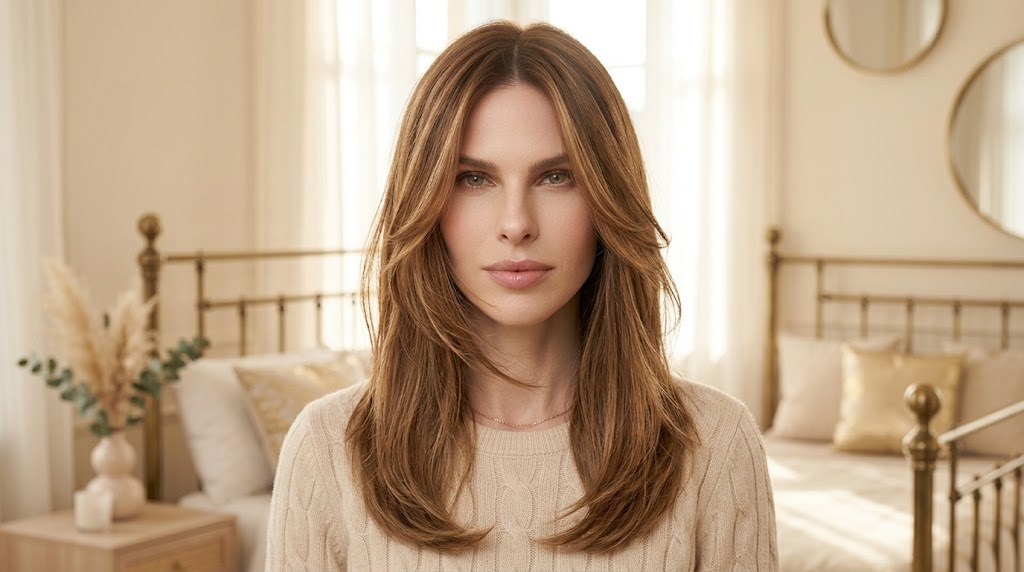
- Choose your starting point: Ask your stylist to begin the shortest face-framing pieces around the cheekbones or chin, depending on your face shape.
- Blend the layers: Keep the transition from the shorter front sections to the longer hair soft and gradual to preserve fullness.
- Add natural movement: Blow-dry the front pieces with a medium round brush, directing them away from your face.
- Finish lightly: Apply a small amount of lightweight serum to the ends to control frizz without flattening the roots.
Wispy face-framing layers bring softness and dimension to fine hair while keeping most of its length intact. They work particularly well for women who find their hair looks flat around the face. A little movement through the front can make the entire haircut feel more dynamic, especially when paired with loose waves or a gentle blowout.
6. Sleek Long Bob
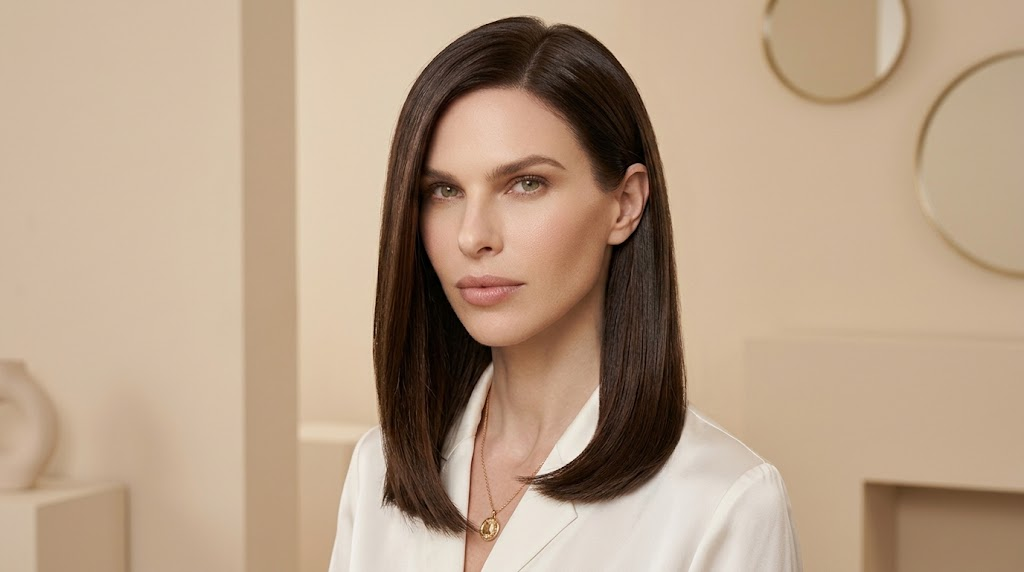
| Option A: Straight Finish | Option B: Soft Bend |
| Creates a sleek, polished appearance | Adds gentle movement and texture |
| Highlights the clean, blunt outline | Softens the edges around the face |
| Works well with a middle part | Looks lovely with a side part |
| Requires heat protection when straightening | Can be styled with a curling iron |
A sleek long bob, also called a lob, offers the balance of a shorter haircut with the versatility of longer strands. Its collarbone-grazing length helps reduce the weight that can pull fine hair down, while a clean perimeter creates the appearance of density. For a fuller finish, ask for minimal layering and use a lightweight volumizing spray at the roots before blow-drying.
7. Side-Swept Bob

DO:
- Create a deep side part to lift the roots and add instant visual volume.
- Blow-dry the heavier section across the forehead using a round brush.
- Keep the ends softly curved inward for a fuller-looking outline.
- Apply lightweight volumizing mousse to damp roots before styling.
DON’T:
- Avoid heavy oils near the roots, as they can flatten fine strands.
- Don’t over-layer the sides, which may make the ends look sparse.
- Avoid brushing the hair too aggressively after styling.
- Don’t use excessive hairspray that leaves the hair stiff.
A side-swept bob adds asymmetry and movement, making fine hair look fuller around the crown and forehead. The angled fringe draws attention toward the eyes and cheekbones, while the shorter length helps maintain natural lift. For a softer everyday finish, loosen the front section with your fingers rather than creating a perfectly fixed part.
8. Feathered Medium Hair
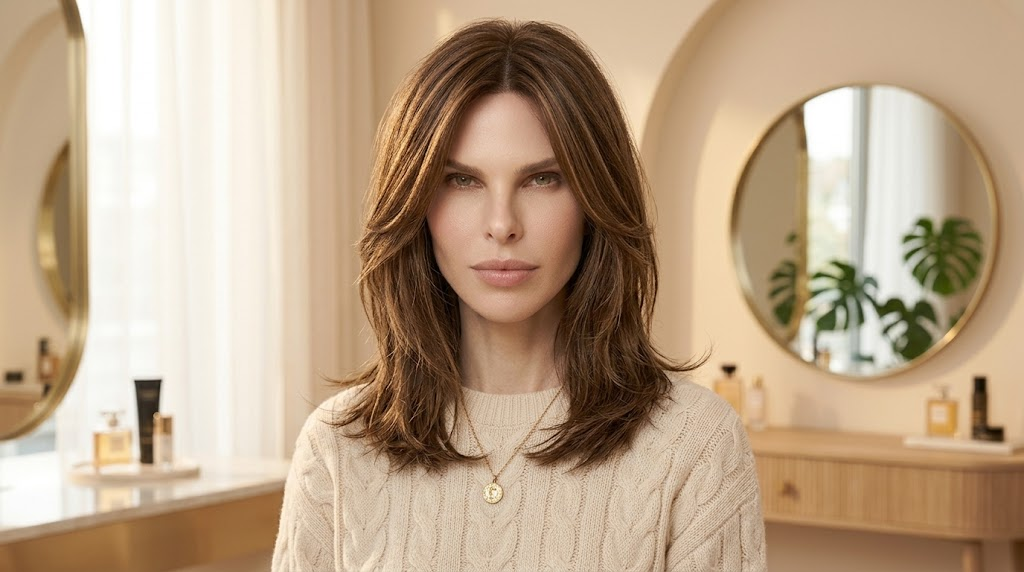
Length: Shoulder-length to collarbone
Styling Time: 10 to 15 minutes
Skill Level: Beginner to intermediate
Best For: Fine, straight or slightly wavy hair
Result: Soft movement, airy volume, and feathered ends
Feathered medium hair creates the appearance of movement without relying on heavy layers that can reduce fullness. The softly flipped ends add dimension, while shorter pieces around the crown can help create a lifted silhouette. Use a round brush to direct the ends outward or inward, depending on your preferred finish. A lightweight texturizing spray can maintain separation without making the hair feel stiff.
9. Soft Wavy Lob

Loose waves can give fine hair the appearance of extra body and dimension without requiring a dramatic haircut. A soft wavy lob keeps the length around the collarbone, while gentle bends prevent the hair from looking flat or overly straight. Start by applying heat protectant, then wrap small sections around a medium-barrel curling iron, leaving the ends slightly loose.
For a natural finish, alternate the direction of the curls and let them cool completely before gently separating them with your fingers. A light mist of flexible-hold hairspray helps maintain the shape without weighing down the strands. This style works particularly well for women who want a relaxed, slightly tousled look that transitions easily from casual daytime outfits to evening occasions.
10. Chin-Length Blunt Cut
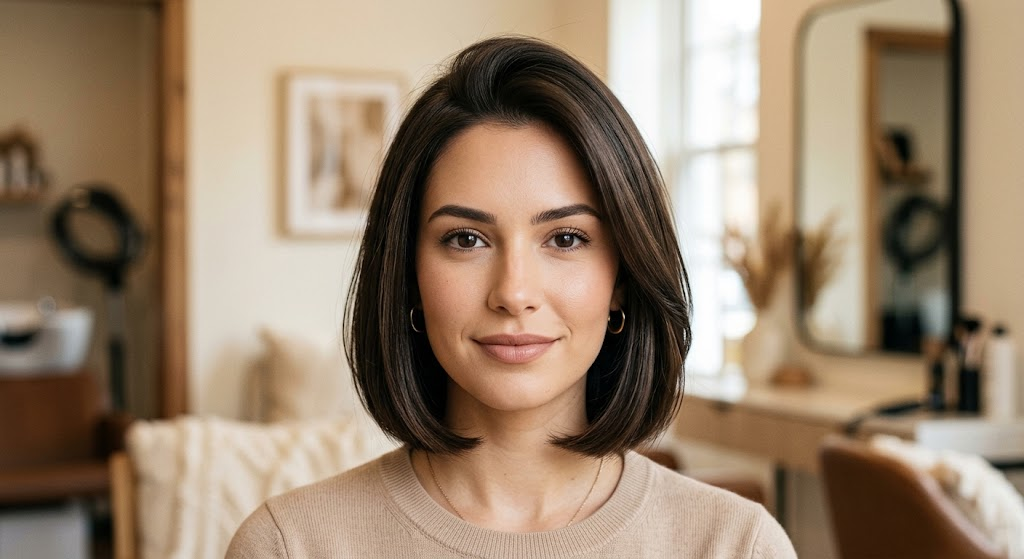
- Keep the perimeter clean: A straight bottom edge makes the ends look denser and more substantial.
- Choose the right length: Let the cut sit around the chin or slightly below it for a balanced silhouette.
- Add subtle lift: Blow-dry the roots upward with a round brush instead of applying heavy styling creams.
- Keep layers minimal: Too many layers can remove visual weight from already fine ends.
- Finish with shine: Use a tiny amount of lightweight serum only through the mid-lengths and ends.
A chin-length cut can make fine strands look noticeably denser because the hair ends at one strong, defined line. I’ve noticed that keeping the shape simple often gives fine hair a more substantial appearance than adding numerous layers. A middle part creates symmetry, while a side part gives the crown additional height.
11. Layered Collarbone Cut

Quick Tip:
Keep the longest layers close together rather than removing large sections of hair. Ask for gentle movement beginning below the chin, then use a round brush to lift the roots while keeping the ends smooth. This preserves density while still giving the haircut shape.
A collarbone cut offers enough length for ponytails, clips, and loose waves while staying short enough to prevent fine strands from becoming weighed down. The subtle layering adds movement without creating a thin-looking perimeter. For everyday styling, flip your part slightly to one side after drying to create extra lift at the roots.
12. Voluminous Curly Bob
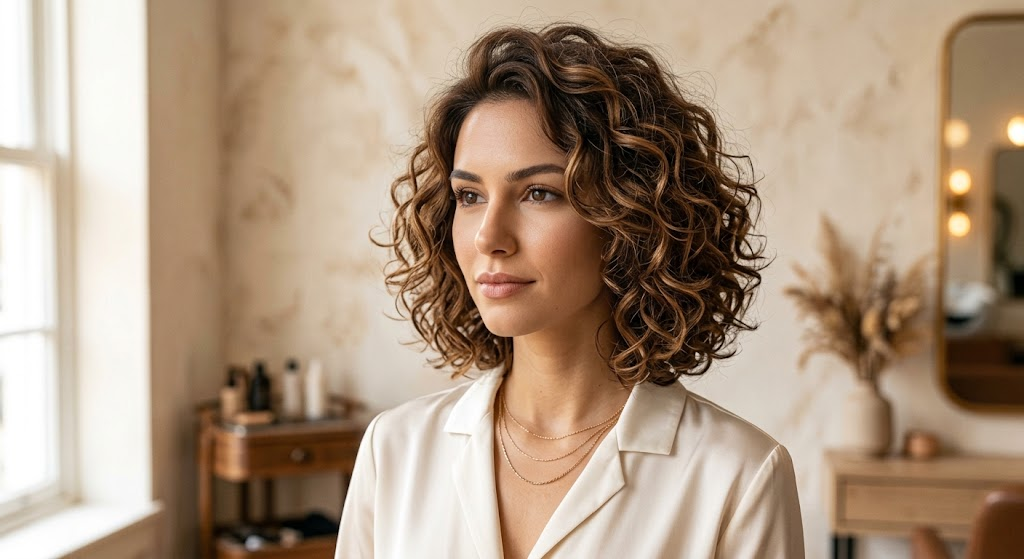
BEFORE
Fine curls can lose their shape when the hair becomes too long or heavy. Without enough support at the roots, curls may appear stretched, flat, or uneven, while excessive product can leave individual strands weighed down.
AFTER
A rounded bob removes some of that excess weight and allows curls to spring upward. The shorter shape creates more visible volume around the sides and crown while keeping the curl pattern defined and lively.
For a fuller curly bob, ask for shaping that follows your natural curl pattern rather than relying on aggressive thinning. Apply a lightweight curl cream to soaking-wet hair, scrunch upward, and allow it to dry with minimal touching. Diffusing on low heat can encourage lift while helping preserve the natural curl pattern.
13. Textured Shoulder Cut

- Set the length: Keep the overall cut around the shoulders so the hair retains enough weight to look full.
- Add subtle texture: Ask for light internal layers rather than removing too much from the perimeter.
- Lift the roots: Apply volumizing mousse before blow-drying with a round brush.
- Define the ends: Finish with a small amount of texturizing spray, concentrating on the lower sections.
A textured shoulder cut gives fine strands movement while preserving a strong overall shape. The key is restraint: too much texturizing can make the ends appear thinner. In my experience, subtle separation through the mid-lengths creates enough visual interest without sacrificing density. This style also works well with loose bends for an easy everyday finish.
14. Blunt Cut With Waves

| Feature | Option A: Sleek Finish | Option B: Wavy Finish |
| Visual effect | Clean and dense | Fuller and more dimensional |
| Styling method | Flat iron | Medium-barrel curling iron |
| Best texture | Straight hair | Straight to slightly wavy |
| Maintenance | Simple daily styling | Requires wave refresh |
A blunt cut paired with loose waves gives fine hair two useful qualities: a strong perimeter and visible movement. Keep the bottom edge even, then create relaxed waves from the mid-lengths downward. Leave the final inch mostly straight so the ends retain their visual weight. Finish by gently separating the waves with your fingers.
15. Layered Shaggy Bob

DO:
- Keep the crown layers soft enough to maintain a fuller silhouette.
- Use a lightweight mousse to encourage natural texture.
- Ask for wispy fringe that blends into the front layers.
- Scrunch damp hair gently to enhance natural movement.
DON’T:
- Avoid excessive thinning through the ends.
- Don’t overload the hair with heavy creams or oils.
- Avoid creating extremely short layers throughout the sides.
- Don’t brush out the texture aggressively after styling.
A shaggy bob adds personality through uneven movement and soft texture rather than relying on heavy volume. Fine hair can benefit from shorter crown layers because they reduce excess weight and encourage lift. Keep the ends intentionally piecey but not overly thinned. A small amount of texturizing spray can bring out the layers without making them look stiff.
16. Voluminous Side Part
Best For: Fine straight or slightly wavy hair
Styling Time: 10 to 15 minutes
Skill Level: Beginner
Result: Lifted roots and fuller-looking sides
A deep side part can change the appearance of fine hair in just a few minutes. Moving the part away from its usual position creates lift at the roots and prevents the crown from sitting completely flat. Blow-dry the heavier section upward, then sweep it gently across the forehead for a soft, polished finish.
17. Tousled Short Layers
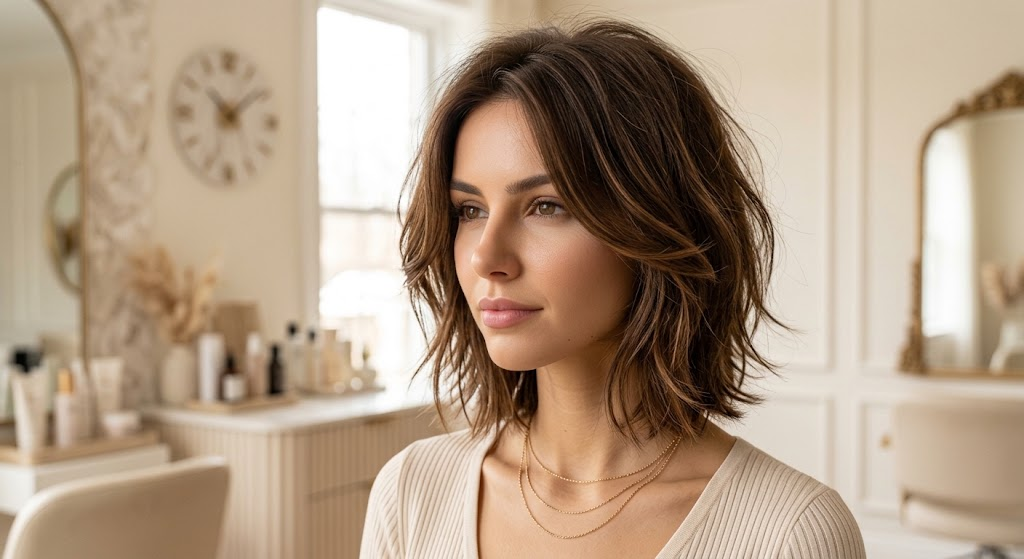
Short layers can give fine strands a lighter, more textured appearance without requiring elaborate styling. Keep the layers concentrated around the crown and upper sides, while preserving enough weight through the lower sections. This creates movement where the hair tends to fall flat and keeps the overall silhouette from looking too sparse.
For styling, work a small amount of lightweight mousse through damp roots and blow-dry upward using your fingers. Once dry, pinch a few sections between your fingertips to create separation. I’ve noticed that slightly imperfect texture often looks fuller than an overly smooth finish, especially on shorter cuts with naturally fine strands.
18. Low Volume Ponytail
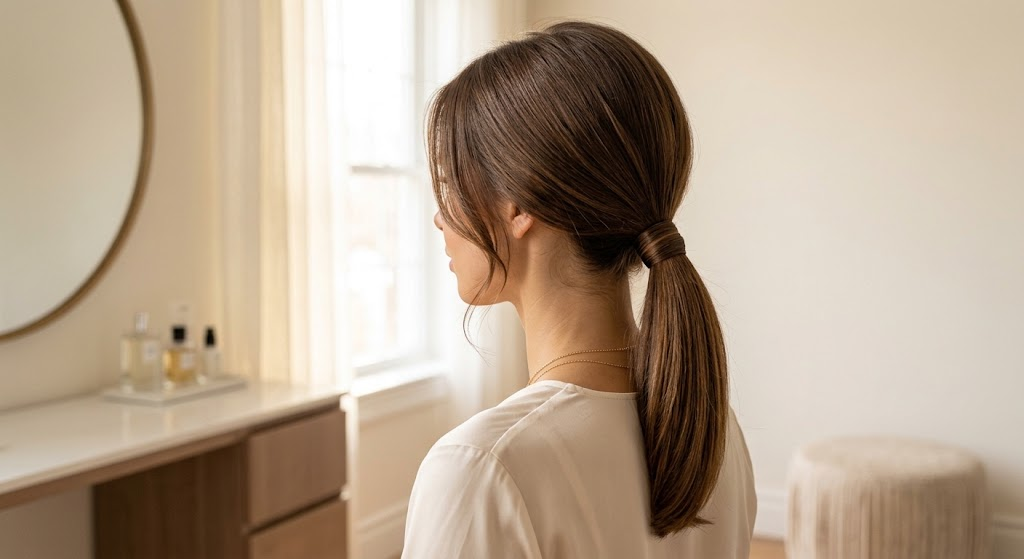
- Lift the crown: Gently loosen a few strands at the top after securing the ponytail to create subtle height.
- Position it low: Place the elastic at the nape for a sleek shape that does not require excessive teasing.
- Wrap the elastic: Take a thin section of hair and wrap it around the base for a polished finish.
- Soften the front: Leave two fine pieces near the temples for a relaxed, face-framing effect.
- Add texture: Lightly curl the ponytail ends if you want more visible fullness and movement.
A low ponytail works beautifully for fine hair because it keeps the style controlled while allowing small volume adjustments at the crown. Use a fabric-covered elastic to reduce pulling, then gently loosen the hair above the tie. A light texturizing spray through the ponytail can create separation and make the length appear more substantial.
19. Chin-Length Layered Bob
Quick Tip:
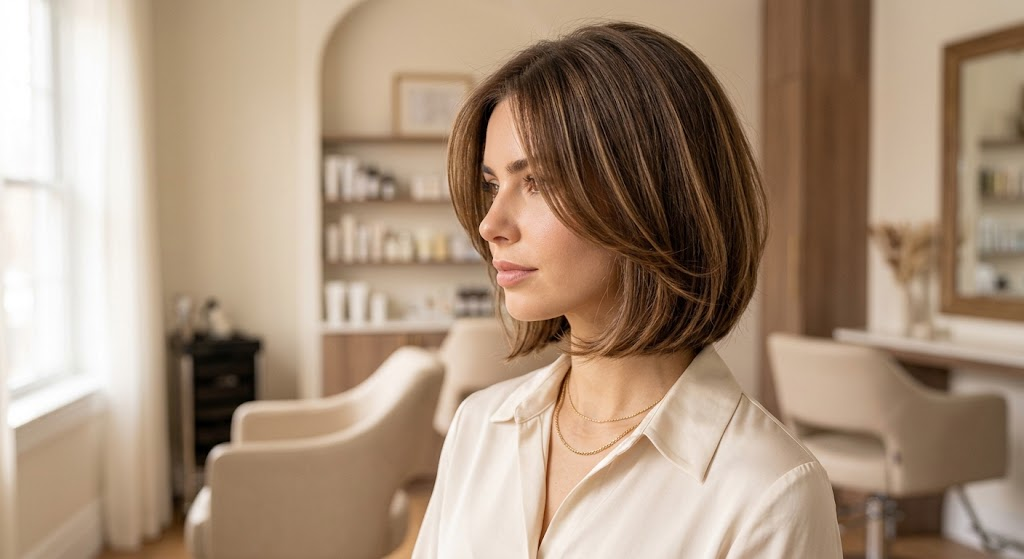
Keep the shortest layers concentrated near the crown and upper sides rather than heavily thinning the entire haircut. Blow-dry with a small round brush, lifting sections upward from the roots. A lightweight volumizing spray can add body while keeping the ends soft and touchable.
A chin-length layered bob gives fine hair a compact shape that naturally supports volume. The shorter length reduces downward pull, while subtle layers create movement around the face. Ask your stylist to preserve a reasonably strong perimeter so the ends do not appear overly wispy. A slight inward curve at the bottom can make the shape look especially polished.
20. Soft Face-Framing Bob

BEFORE
A simple bob can sometimes look flat around the face when fine strands fall straight against the cheeks. Heavy styling products may add shine but can also make the roots appear limp and the overall shape less defined.
AFTER
Soft face-framing pieces create movement around the cheekbones and jaw while keeping the main bob shape intact. The result is a lighter, more dimensional appearance that still maintains enough weight through the ends.
Ask for face-framing sections that blend gradually into the rest of the haircut rather than creating dramatic steps. Style the front pieces away from the face with a round brush, then let them cool before loosening them with your fingers. This approach gives the bob gentle movement while preserving the clean shape that helps fine hair look fuller.
CONCLUSION
Finding the right style for fine hair is often about creating shape, preserving density, and adding movement in the right places. These 20 Fine Hair Hairstyles offer plenty of inspiration, from sleek bobs and layered cuts to soft waves and easy ponytails.
Save this post on Pinterest so you can return to your favorite ideas before your next haircut or styling session. Try one style at a time and see which details work best with your hair’s natural texture. I’ve seen how a simple change in length, part, or layering can make styling feel much easier. Share this guide with someone looking for fresh fine-hair inspiration.
Loved this post?
Follow me on Pinterest for fresh ideas every day.
Written by Zohana
Fashion Enthusiast & Capsule Wardrobe Curator
I share easy outfit ideas, hair looks, and beauty tips. I hope you find something you love.

forumComments (3)
[…] fine wavy hair a fuller look with no extra styling. If your hair is on the finer side, try our fine hair hairstyles and haircut ideas […]
[…] Many people have one side that grows flatter. Choppy layers fix this fast. Short pieces on the flat side catch air and stand up. Match the texture on both sides. Then the cut looks even. Style with your fingers and a bit of wax. For more fine-hair cuts like this, see our guide to fine hair hairstyles and haircut ideas. […]
[…] Trim every eight to ten weeks to keep the shape clean. If your hair is fine as well as thin, these fine hair hairstyles and haircut ideas offer more layer options. This cut works well for everyday wear and casual […]